
PRP & Shockwave Therapy in Glendale
For joint pain and stubborn soft tissue injuries that haven’t responded to other approaches, PRP and shockwave therapy offer non-surgical options. Both are performed in our Glendale office by our clinical team, and both start with an evaluation.
PRP Therapy
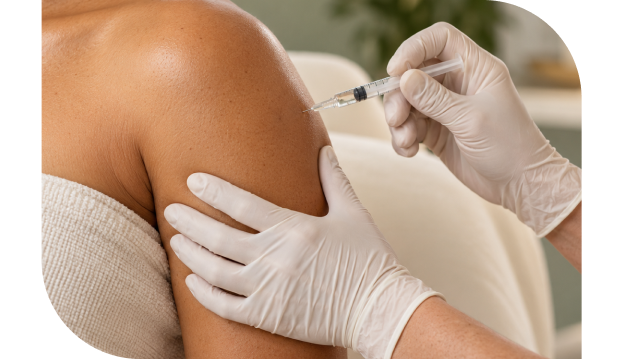
PRP, or platelet-rich plasma, uses a concentrated preparation of your own blood platelets, injected into the affected area.
PRP is not appropriate for every patient or every condition. Individual results vary.
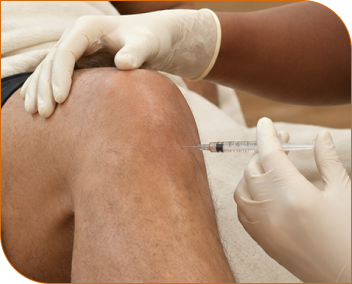
PRP: How It Works
If you’ve never had acupuncture, the unknown is usually the hardest part. Here’s exactly what happens.
1. Blood Draw
A small sample, no different from a routine lab draw.
2. Concentrate
The sample is processed to separate and concentrate the platelets.
3. Injection
The concentrated preparation is injected into the affected joint or tissue.
4. Recovery
Soreness for a day or two afterward is common.
Shockwave Therapy
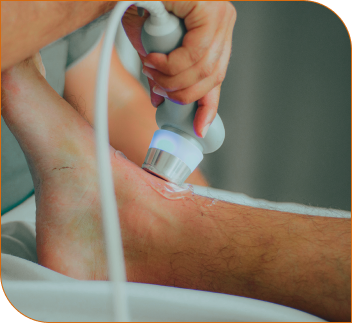
Shockwave therapy delivers targeted acoustic pressure waves to injured tissue. It’s non-invasive, done in office, and takes roughly 15–20 minutes per session.
No needles and no downtime — most people go straight back to their day afterward, which makes it a lower-barrier option than PRP for people who are needle-averse or want to start somewhere less involved.
Commonly used for: plantar fasciitis, tennis and golfer’s elbow, Achilles tendon pain, shoulder tendon pain, chronic soft tissue injuries
Which One Is Right for Me?
Joint & Cartilage Involvement
More often points toward PRP therapy and treatment
Tendon & Soft Tissue
More often points toward shockwave therapy
Often Both
With chiropractic, soft tissue therapy, or acupuncture
Book Your Evaluation
It starts with an evaluation. We don’t book PRP or shockwave without examining you first. Not everyone is a candidate, and we’d rather tell you that upfront than after you’ve paid for something that wasn’t going to help.
What It Costs
PRP is generally not covered by insurance and is a cash-pay service. FSA and HSA funds can often be used. We’ll give you exact pricing at your evaluation, once we know what you actually need — we won’t quote you a number before we know whether you’re a candidate.
Shockwave pricing is also discussed at evaluation.
Who Performs It
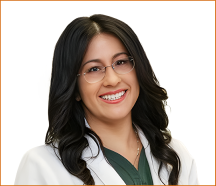
Veronica Sanchez, FNP-BC, MSN, BSN, CCM, LAc
Dually licensed as a Nurse Practitioner and acupuncturist, Veronica combines acupuncture with joint injections, cupping, and gua sha — and can prescribe when that’s what’s needed.
Frequently Asked Questions
PRP starts with a small blood draw. The sample is processed to concentrate the platelets, and that concentrated preparation is injected into the affected joint or tissue. The approach delivers a concentrated dose of your own platelets directly to the area being treated. Whether it’s appropriate for you depends on what’s causing your pain, which is why we evaluate before recommending it.
Generally no. Most insurance plans, including Medicare, don’t cover PRP — it’s typically a cash-pay service. FSA and HSA funds can often be applied. We’ll go over cost with you at your evaluation so you know exactly what you’re deciding about before committing to anything.
Most people describe pressure and some discomfort during the injection rather than sharp pain. The blood draw feels like any routine one. Soreness in the treated area for a day or two afterward is common and expected. We’ll walk you through what to expect and what to do afterward before you commit.
There’s no standard number — it depends on the condition, its severity, and how you respond. We’ll discuss a realistic plan at your evaluation and reassess as we go rather than selling you a package upfront.There’s no standard number — it depends on the condition, its severity, and how you respond. We’ll discuss a realistic plan at your evaluation and reassess as we go rather than selling you a package upfront.
Most people find it tolerable — an intense tapping or thumping sensation over the treated area. Intensity can be adjusted during the session, so tell your provider if it’s too much. There’s no downtime, and most people resume normal activity immediately.
We can’t promise that, and you should be wary of anyone who does. Some patients find non-surgical approaches enough to manage their symptoms and stay active. Others ultimately need surgery, and delaying it isn’t always in their interest.
What we can do is evaluate what you’re dealing with and be honest about whether PRP is a reasonable thing to try. If we think surgery is the better path, we’ll say so — and that decision belongs with an orthopedic surgeon, not with us.
Often Combined With
Disclaimer
PRP may not be appropriate if you: have a blood or platelet disorder, take blood-thinning medication, have an active infection locally or systemically, have certain cancers or blood-borne conditions, are pregnant or breastfeeding, have severe anemia. Individual results vary. This information is educational and not a substitute for medical advice. PRP and shockwave therapy are not appropriate for all patients or conditions, and outcomes cannot be guaranteed.
Start with an evaluation
Call and we’ll book you in for an assessment with our team to see if PRP or shockwave therapy is right for you.